Scientists Discover Why Millions Hear Ringing In Their Ears
Neurological research suggests tinnitus may actually originate from a damaged signal between the ear and brain.
But new neurological findings suggest the sound may actually originate from a damaged signal between the ear and the brain.
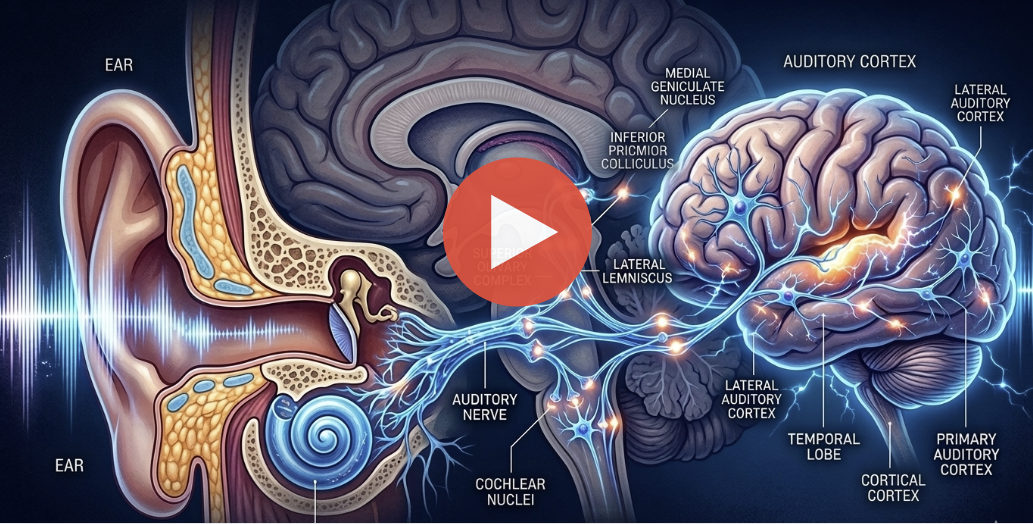
Illustration: The ear-to-brain signal pathway under scientific investigation.
The constant ringing can make it difficult to:
- fall asleep at night
- concentrate during the day
- enjoy silence
- relax your mind
- ringing
- buzzing
- hissing
- clicking
- high-pitch whistling
According to hearing specialists, tinnitus is one of the most common auditory complaints reported by adults over 40.
Researchers recently identified a tiny neurological signal that may explain why tinnitus affects millions of people.
In the short video below, experts explain:
- what may actually trigger the ringing
- why it often gets worse at night
- and the discovery that surprised many doctors
Free — No signup required
But according to recent neurological research, the sound may not actually come from the ear itself.
And what researchers discovered next surprised many specialists.
Scientists discovered that a damaged signal between the ear and the brain may create chaotic sound signals — which the brain then interprets as ringing, buzzing, or high-pitched noise.
Free — No signup required
"I had the ringing for almost 6 years. I thought it would never go away. After watching the video and following the information, it's like someone turned the volume down. I can finally sleep again."
"My doctor never explained it this way. The part about the ear-brain signal was eye-opening. I shared this article with my husband and he said it was the clearest explanation he'd ever seen."
"I was skeptical at first. But after watching the video, everything made sense. The constant buzzing in my left ear is something I've been trying to solve for years — this was a turning point for me."
Watch the short video below where this discovery is explained in detail.
Free — No signup required
The Real Reason Your Ears Keep Ringing
(And What Scientists Found In 2026)
Paste your YouTube/Vimeo embed URL in the <iframe src="">
🔒 100% Free — No credit card required
© 2026 Health Discovery Report. All rights reserved. | Privacy Policy | Terms of Service